AI Governance For Engineering Teams
Govern AI-assisted software development by embedding rules, shared context, and quality controls into the software engineering workflow.
 Artificial Intelligence
Bring control to AI-assisted Development
Truly effective and responsible governance should live in the real engineering workflow, not in a policy document.
AI coding tools are already part of everyday engineering work. But in many organizations, AI-adoption has happened developer by developer, tool by tool, without a shared operating model.
PushBased can help you turn inconsistent AI usage into a shared, measurable engineering system. Our experts assess how AI is being used across your teams, then builds the collaborative context, workflows, quality controls, and implementation plan needed to make adoption sustainable.
Make AI adoption governed, measurable, and built to last
Policies define intent. They do not control what happens when a developer opens Cursor, Copilot or another AI tool and starts working.
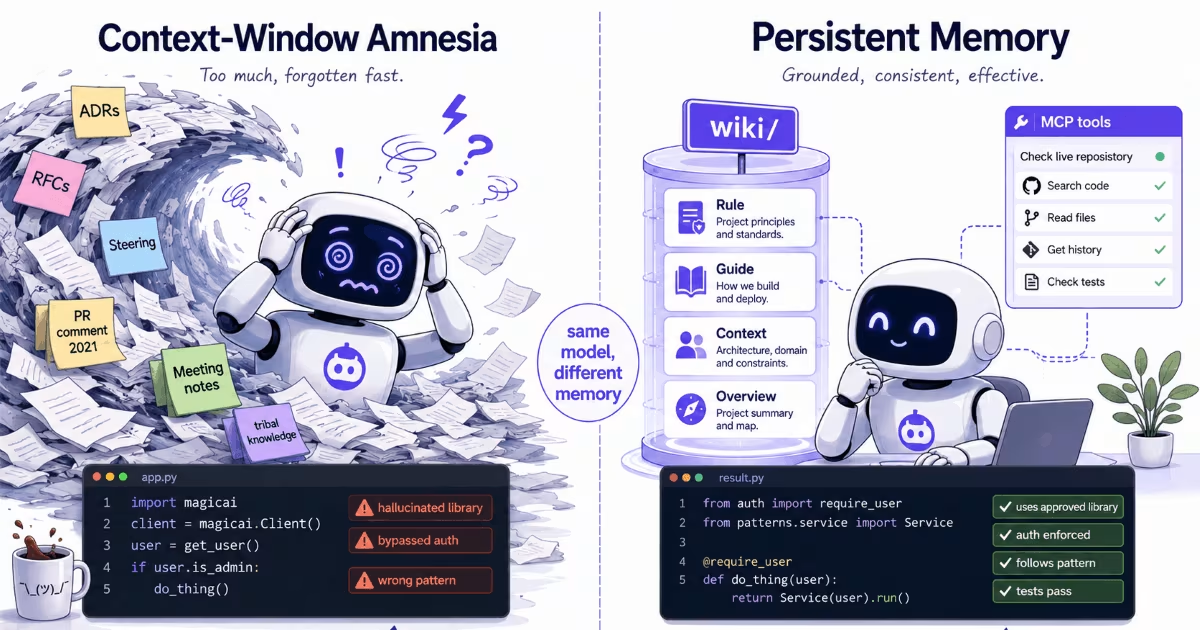
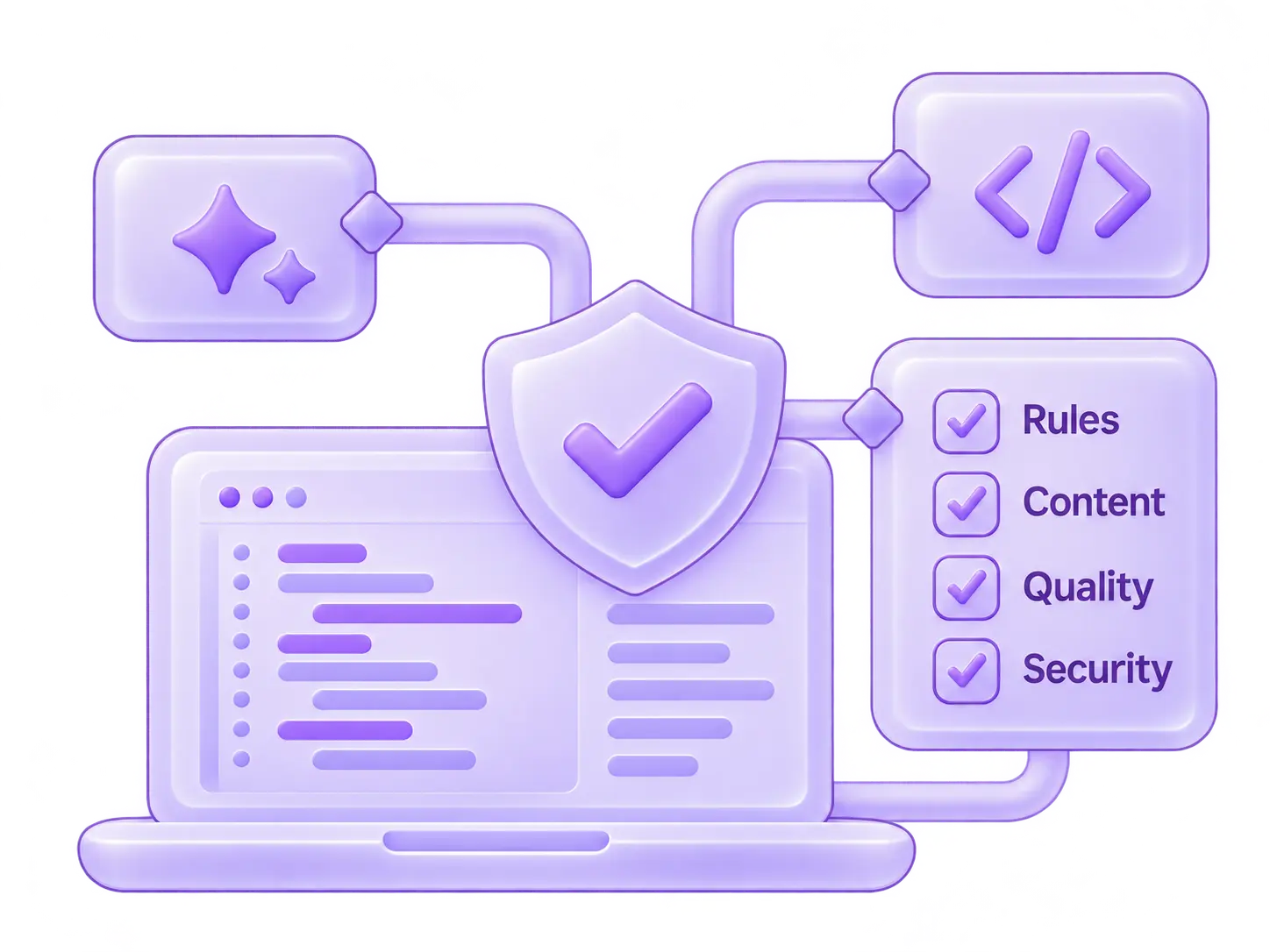
Governance that works is built into the engineering workflow. Context files that define what AI tools know about your product. Quality gates that catch problems before they reach QA or production. Rules committed to your codebase, not saved in a shared drive.
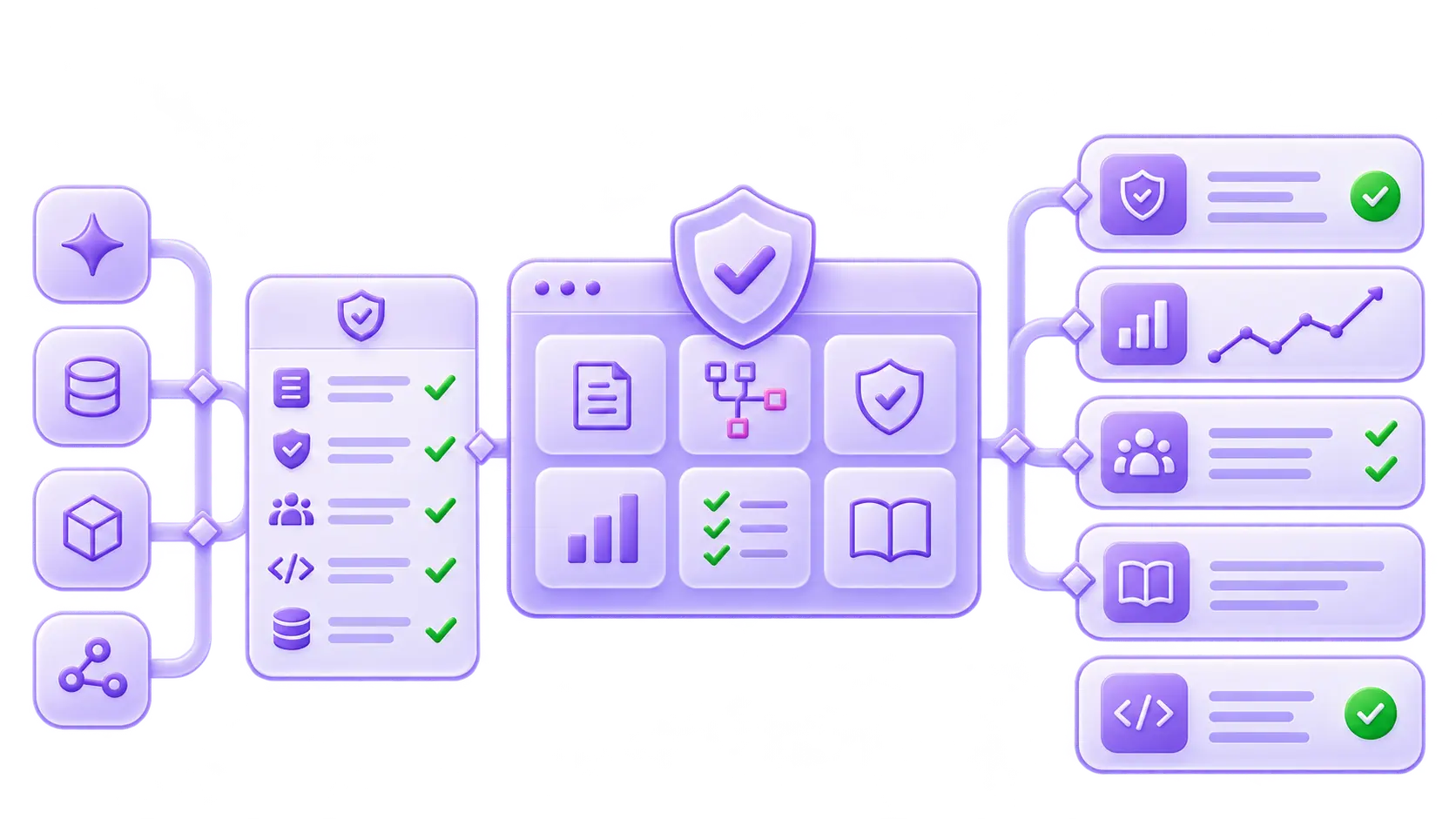
PushBased assesses your organization across eight dimensions: policy, security, codebase hygiene, testing, documentation, observability, SDLC integration, and change management. The output is six engineering artifacts, tailored to your organization, that make AI usage governed, measurable, and built to last.
Six building blocks for governed AI engineering
We provide you with everything you need to move from ad-hoc AI usage to a well-governed, scalable system.

AI Context System
Shared context, guidelines, and examples for consistent results.

Workflow Templates
Ready-to-use templates for common AI development tasks.

Code Quality Pipeline
Automated checks and guardrails for AI-generated code.

Internal Knowledge Integration
Safely connect internal docs and codebase knowledge.

Readiness Scorecard & Risk Map
Clear view of your current state, risks, and opportunities.

Implementation Roadmap & Backlog
Prioritized plan with concrete next steps.
From Assessment to Implementation in 2-4 Weeks
Introduction Call 

We start by understanding your organization’s current AI usage, tooling landscape, and engineering goals.
AI Usage Audit
We map how AI is currently used across teams, repositories, and workflows, including development, review, and CI/CD touchpoints.
Readiness Assessment
We assess your current state across policy, SDLC integration, security, codebase hygiene, testing, documentation, observability, and change management.
Operating Model Design
We design the engineering operating layer: context hierarchy, workflow patterns, quality controls, review boundaries, and knowledge exposure rules.
Artifact Build & Quality Baseline
We create the working artifacts and establish a measurable baseline, including instruction files, templates, gate configs, and quality scoring setup.
Engineering Playback
Artifacts are prepared for adoption in your repositories, with implementation guidance tailored to your access model and team ownership. We walk your team through the findings, rationale, risk map, and rollout recommendations.
Backlog Handover
We translate findings into a prioritized implementation backlog with tracker-ready epics, stories, and acceptance criteria.
Optional Mob Audit Sprint
A follow-on mob audit sprint to ship the highest-priority fixes as working pull requests with your team.
Companies go further with PushBased

Microsoft booked PushBased for an in-house workshop and it was a full success. The session was just excellent with deep dives into different important areas. Our training was very interesting all our questions were answered in high detail. Trainings from PushBased are not only on a highly technical level but also are very engaging and fun. We now run multiple workshops with PushBased at Microsoft and can only recommend them.

Andriy Malish Frontend Software Engineer 
The PushBased team is phenomenal all around and was absolutely critical in implementing new practices and technologies into the ClickUp platform to ensure lightning fast speed on the frontend.
Their team solved complex engineering challenges and enabled us to continue delivering a world-class product. We could not have solved our speed issues without Michael and his team!

Zeb Evans Founder & CEO 
Our cooperation with PushBased started with a performance audit to understand our current state and opportunities to improve our applications’ speed. The audit was comprehensive and gave us the confidence to partner long-term, and in various areas. They not only supported us with performance optimizations but also went further and improved our underlying Angular architecture, helping improve our overall Developer Experience. Key to this was the transition to Nx and Monorepo. I consider PushBased an essential partner and they continue to make significant contributions to our success.

Stephen Jayna VP of Engineering 
Initially, we booked the PushBased team for an architecture audit. The audit report gave us great insights on improvement potential and a well structured roadmap. That's why we decided to hire their team to implement their suggestions on the spot. The team did an awesome job and provided us with laser focused pull requests and comprehensive documentation to share their knowledge. PushBased's experts are top level engineers that we can highly recommend.

Daniel Boos Lead Software Architect
Common questions about AI governance

 What is AI governance?
It’s a system for how developers and engineering teams use AI tools across software development. It defines shared context, workflows, quality controls, knowledge boundaries and measurement, to keep AI-assisted engineering consistent and secure.
What makes this different from an AI strategy engagement?
This is implementation-first.
You do not leave with a slide deck or generic recommendations. You leave with engineering artifacts your team can open, review, apply, and own.
Do you need direct repository access?
Not always.
Depending on your security model and engagement setup, we can work in different ways:
direct implementation where access is available
repository-ready artifacts delivered for your team to review and apply
collaborative working sessions with your engineers to implement the changes together
The deliverables stay practical either way.
What size organization is this for?
Best fit is engineering organizations with multiple teams and repositories, where AI adoption has already started to create inconsistency, quality concerns, or governance pressure.
How do you measure whether AI is helping or hurting?
We establish a baseline and configure quality and workflow signals around your real delivery system, including Code PushUp where appropriate.
The point is to replace opinion with trend data.
How is this different from an AI usage policy?
An AI usage policy defines what developers can and cannot do with AI. AI governance goes further by turning those rules into practical engineering workflows, shared context, and quality controls. It helps teams apply the same standards consistently throughout software development.
Does PushBased replace our existing AI tools?
No. PushBased works with the AI tools and development environments your team already uses. Our focus is on improving how those tools are used by introducing standardized workflows and quality controls rather than replacing your existing technology stack.
Can AI governance reduce the cost of AI-assisted development?
Yes, it can help reduce unnecessary costs by minimizing repeated prompts, duplicated work, and time spent correcting AI-generated code. Better context and standardized workflows help developers use AI more efficiently while maintaining code quality. Actual savings depend on your existing tools and practices.
How long does the AI governance engagement take?
The duration depends on your team's size, existing AI setup, and the complexity of your engineering workflows. We define the scope, timeline, and deliverables before starting, ensuring the engagement fits your team's needs and priorities.
Can PushBased implement the recommendations?
Yes. PushBased can work alongside your engineering team to implement the agreed recommendations. Implementation can be scoped separately based on your priorities and technical environment.