Talk
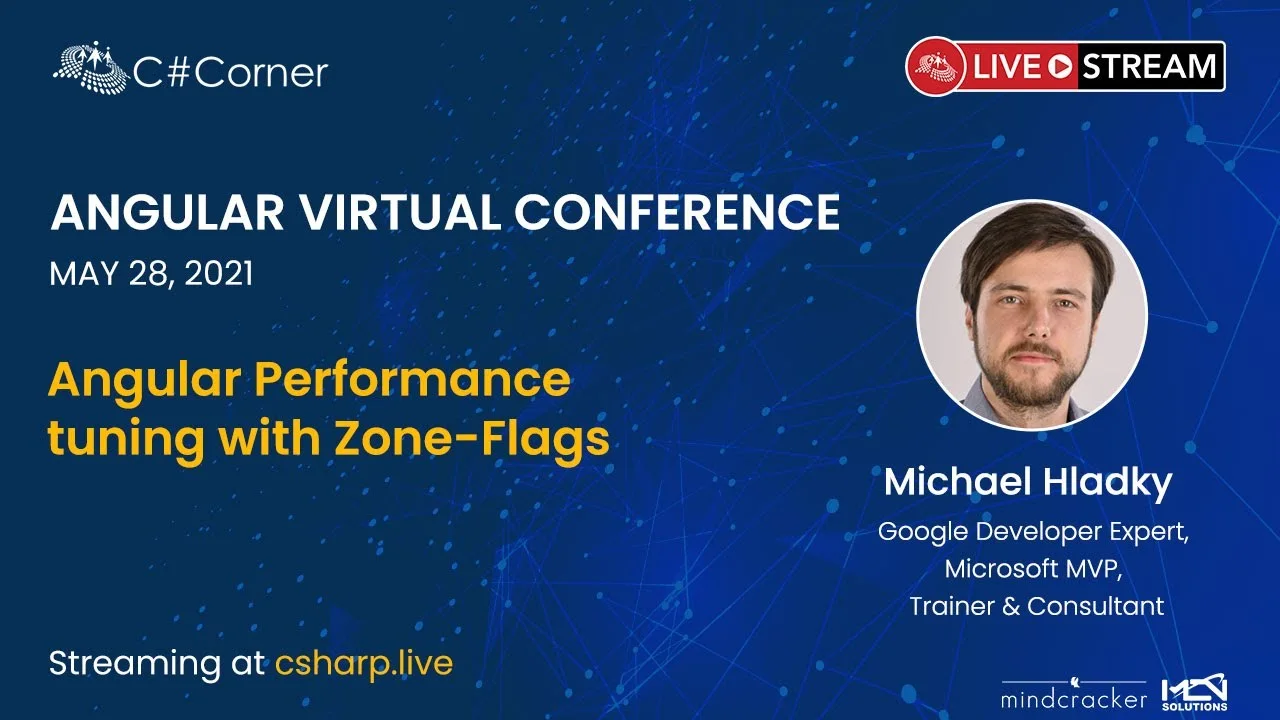
Angular Performance Tuning with Zone-Flags in Sweden

Description
Recent Angular updates have quietly incorporated minor changes for zone.js, and several methods for enhancing performance, such as local change detection, have begun to take effect. In this discussion, we'll delve into the global configurations of zone-flags in zone.js and examine change detection features. We'll employ Chrome's performance timeline to identify potential slowdowns and gain a quick snapshot of our application's performance. Through making minor adjustments to our application, we'll boost its performance and observe the variance in the flame charts. Expect to acquire essential knowledge, handy tips, and strategies about the performance timeline, and a firm grasp of how to implement these into your Angular application.
More from the speaker

Advanced CPU Profiling in Node - Profile Data Structure
CPU profiles are more than flame charts—they’re structured JSON files. Learn how nodes, samples, and time deltas form the backbone of DevTools performance data.

Advanced CPU Profiling in Node - Real-Life Examples
Profiling is easiest when it's real. Learn how to capture and make sense of CPU profiles in Node.js across scripts, threads, and processes—then apply it to your own projects.

Advanced CPU Profiling in Node - Best Practices and Pitfalls
Get deeper insights into your Node.JS performance. Learn how to master advanced CPU profiling with built-in tools, interpret process/thread IDs, and optimize using sampling intervals. Troubleshooting and real examples included.

Implementing Incremental Hydration in Angular (Part 3/3)
Implement incremental hydration in a real-world Angular app - Basic setup, hydration triggers and important considerations for a seamless integration.

The Game-Changing Impact of Incremental Hydration in Angular (Part 2/3)
Let's dive deeper into why incremental hydration in Angular matters so much for performance and user experience, focusing on its influence on Largest Contentful Paint (LCP), Interaction to Next Paint (INP), and Cumulative Layout Shift (CLS).

Incremental Hydration in Angular: Introduction (Part 1/3)
Incremental hydration is a groundbreaking new feature in Angular that heavily impacts critical performance metrics like INP and LCP, while also reducing the effort required to maintain CLS at low levels.